
Cosmetic Tattooing Sydney
Areola-Nipple Restorative Medical TattooingSusie Finato
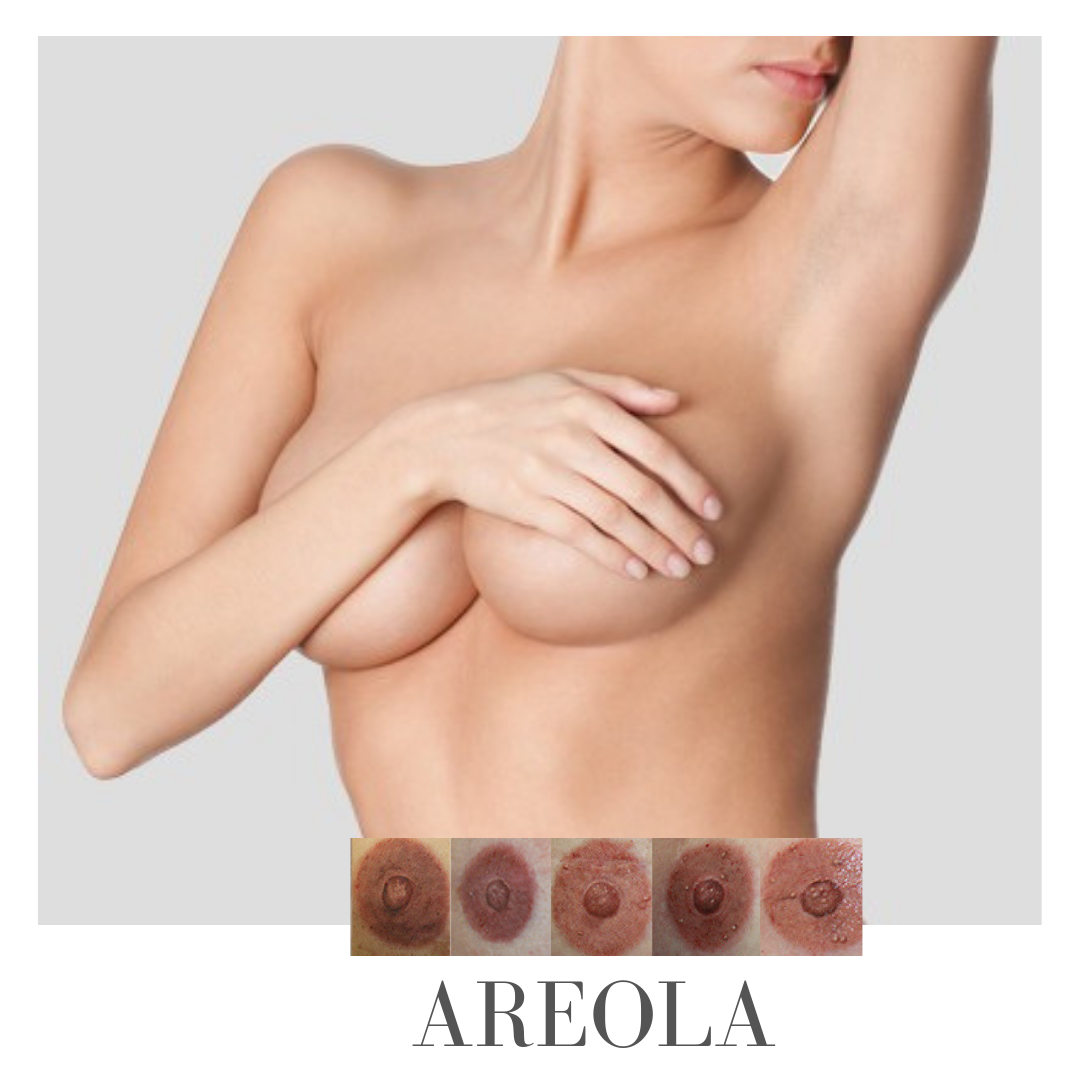
A specialised form of tattooing used to recreate or enhance the appearance of the nipple and areola.
Common after breast surgery (like reconstruction after mastectomy), but also used for cosmetic symmetry or colour correction.
For those needing a single areola tattoo, we ensure a flawless match for a balanced appearance.

Realistic Areola Micropigmentation
Restore your confidence and natural appearance with professional areola medical tattooing. This advanced paramedical technique recreates highly realistic nipple and areola pigmentation for individuals who have undergone breast surgery, mastectomy, or simply desire aesthetic enhancement.
Every transformation begins with a personalized consultation and detailed design mapping to perfectly match your unique anatomy.
Key Benefits
-
Post-Reconstruction Realism: Expertly restores the natural look of the nipple-areola complex after surgery.
-
Enhanced Body Confidence: Helps you feel comfortable, complete, and confident in your own skin.
-
Customized Results: Tailored 3D shading techniques match your natural skin tones and desired shape.
Aerola Aftercare recomendation
The recovery time following areola tattooing is generally quick. Any minor swelling or redness in the treated area typically subsides within a few days, allowing the chest to return to a normal appearance relatively soon after the procedure.
To ensure the best possible results, follow these essential healing guidelines:
-
Allow Natural Flaking: During the healing process, it is completely normal for the tattooed area to develop light scabs. It is crucial not to pick, scratch, or peel these scabs. Doing so can introduce bacteria, lead to infection, or prematurely pull the cosmetic pigment from the skin, causing uneven color loss. Always let the scabs naturally slough off.
-
Avoid Submerging (First 7 Days): For the first week after your procedure, stay out of hot tubs, swimming pools, and baths. This prevents excessive moisture from softening the pigment and protects the healing skin from exposure to potentially contaminated water.
-
Limit Sun Exposure (Up to 6 Weeks): Protect the treated area from direct sunlight for up to 6 weeks. UV rays can cause premature fading or unwanted discoloration of the fresh tattoo pigment.
Male Areola Pigmentation
Areola pigmentation for men—also known as male cosmetic tattooing or medical tattooing—is a specialized, non-surgical procedure designed to enhance, resize, or reconstruct the appearance of the nipple-areola complex. Whether you are looking to restore what surgery altered or simply want to improve natural symmetry, this advanced cosmetic solution offers realistic, long-lasting results.
Why Men Choose Male Cosmetic Tattooing
Every man’s body is different, and there are several cosmetic and medical reasons to consider areola micro-pigmentation:
-
Color Correction & Enhancement: Perfect for darkening pale or light areolas and blending uneven skin tones for a uniform look.
-
Resizing & Symmetry: Easily increase the size of small areolas or balance asymmetrical shapes to achieve a more masculine proportion.
-
Post-Surgical Reconstruction: Visually reconstruct the appearance of the nipple and areola following gynecomastia surgery, top surgery, or trauma.
-
Scar Camouflage: Seamlessly blend and conceal surgical scars from chest procedures, creating a flawless, natural appearance.